Xiaomi 14T Complete Review

Introduction
The Xiaomi 14T exemplifies what a flagship killer looks like today. It is a high-end smartphone equipped with excellent features, including a stunning display, powerful performance, and impressive camera capabilities, all without unnecessary extras.
The latest Xiaomi 14T features a sleek, flat design while retaining its IP68 rating from the 13T model. It also boasts a 6.67-inch CrystalRes OLED display with a resolution of 1220p, a refresh rate of 144Hz, 12-bit color depth, and Dolby Vision certification. The primary screen enhancement, according to official specifications, is its peak brightness of 4,000 nits.
The device is powered by the upgraded Dimensity 8300-Ultra chipset, featuring a more powerful CPU, enhanced graphics, and faster UFS 4.0 storage.

Xiaomi 14T Specifications at a Glance
- Dimensions: 160.5 x 75.1 x 7.8 mm, Weight: 195g
- Build: Gorilla Glass 5 front, plastic frame and back, IP68 dust/water resistance (up to 2m for 30 minutes)
- Display: 6.67″ OLED, 68 billion colors, 144Hz refresh rate, Dolby Vision, HDR10+, 1600 nits (HBM), 4000 nits (peak), 1220 x 2712 pixels resolution, 20.01:9 aspect ratio, 446 ppi
- Chipset: MediaTek Dimensity 8300 Ultra (4 nm), Octa-core (1×3.35 GHz Cortex-A715 & 3×3.20 GHz Cortex-A715 & 4×2.20 GHz Cortex-A510), Mali G615-MC6
- Memory Options: 256GB with 12GB RAM, 512GB with 12GB RAM, 512GB with 16GB RAM; UFS 4.0
- Operating System: Android 14, HyperOS
- Rear Cameras: 50 MP (main) with PDAF and OIS, 50 MP telephoto with 2x optical zoom, and 12 MP ultrawide
- Front Camera: 32 MP (wide)
- Video Capture: Rear: 4K@30fps, 1080p@30/60/120fps with gyro-EIS; Front: 4K@30fps
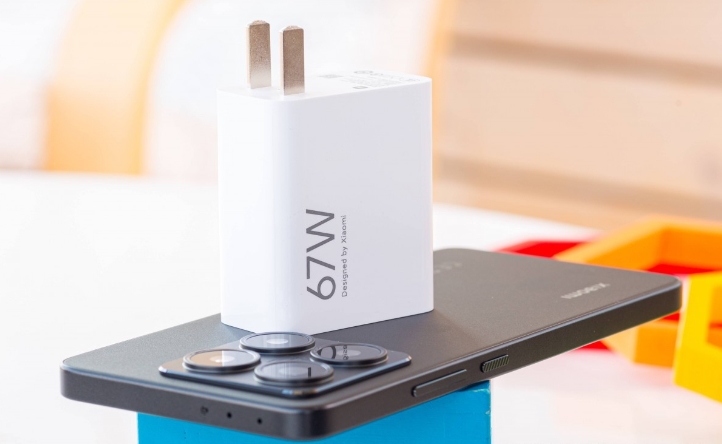
- Battery: 5500mAh with 67W wired charging
- Connectivity: 5G, Dual SIM, Wi-Fi 6e, Bluetooth 5.4, LHDC, NFC, Infrared port
- Miscellaneous: Under-display fingerprint reader (optical), stereo speakers
The Leica camera system is one of the standout features of the Xiaomi 14T and is heavily marketed. It includes a new 50MP primary camera, a 50MP 2x telephoto lens, and a 12MP ultrawide camera. The device also offers various video capture features like bokeh and Rack Focus.
Running on the latest Android and HyperOS, the Xiaomi 14T incorporates several AI features, including Gemini. It is powered by a 5,500 mAh battery that supports fast wired charging of up to 67W.
Xiaomi 14T Review
While the Xiaomi 14T doesn’t represent a significant upgrade over the 13T—boasting only a slightly improved chipset and a more advanced primary camera sensor—it remains one of the most compelling devices available right now. However, a better selfie camera would have been a welcome improvement, as it seems Xiaomi has yet to address this area effectively.
Unboxing the Xiaomi 14T
The Xiaomi 14T comes in a notably thinner box, and our initial suspicion was confirmed—there is no charger included!

Review Summary
Inside the box, you’ll find a black silicone case, a USB-A to USB-C cable, and a thin protective folio already attached to the display. Xiaomi was among the last manufacturers to adhere to the “always include a charger” mantra, and it appears that practice has now come to an end.
Design, Build Quality, and Handling
The Xiaomi 14T marks a shift from the glossy and rounded design of the 13T model, opting instead for a flat, straightforward aesthetic. For those who prefer a touch of luxury, the Lemon Green variant features eco-friendly materials, including actual lemon components, in its eco-leather finish.
In addition to the Lemon Green option, the Xiaomi 14T is available in stylish metallic colors inspired by the iPhone 15 Pro lineup: Titan Gray, Titan Blue, and Titan Black (the latter being the color of our review unit).
The Titan editions of the Xiaomi 14T showcase a flat Gorilla Glass 5 front, a flat plastic frame, and a flat plastic back. The frame and back share matching colors and a uniform matte finish, making them resistant to smudges, though they lack a strong grip.
The Lemon Green variant features a yellow-green frame and a similar shade on its faux leather back.
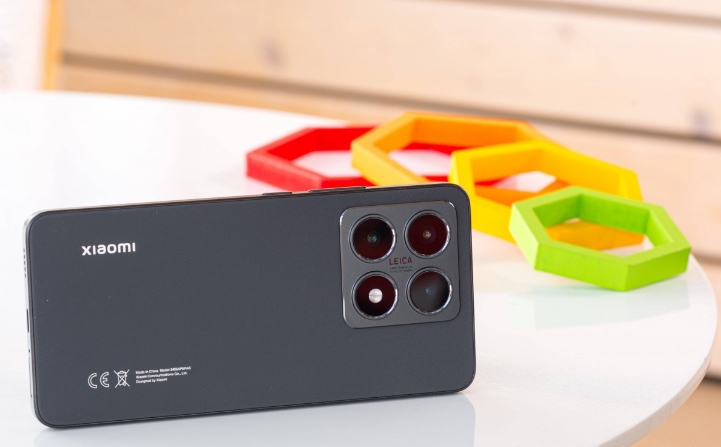
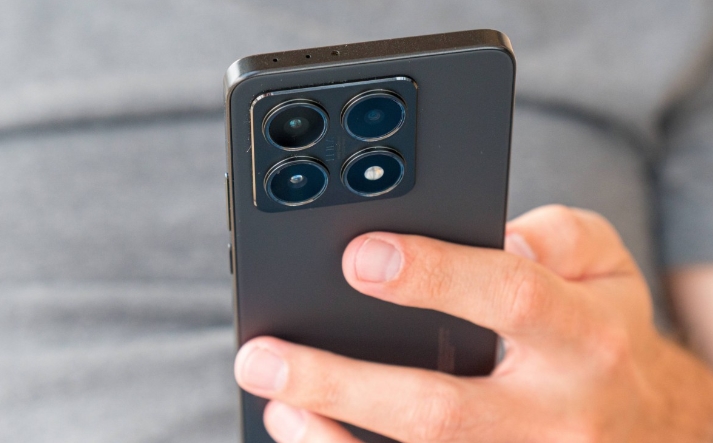
The camera module adopts a minimalist square design this year, with four symmetrical rings that seamlessly blend into the overall look of the device. The Leica logo is present but understated.
Maintaining the durability seen in the 13T series, the Xiaomi 14T has an IP68 rating for dust and water resistance.
The phone’s front is dominated by a 6.67-inch OLED display with a resolution of 1220p, a 144Hz refresh rate, 68 billion colors, and support for Dolby Vision and HDR10+. It features a small punch-hole for the selfie camera and is protected by Gorilla Glass 5.
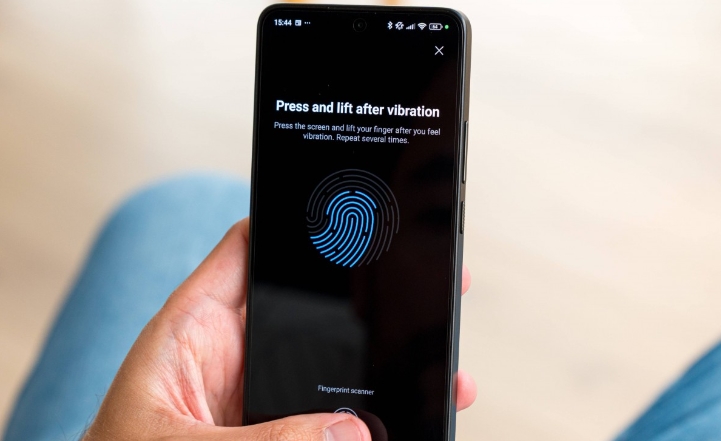
The under-display fingerprint scanner is both quick and accurate, enhanced by appealing animations and vibrations that contribute to a more satisfying user experience compared to its predecessor.

The Xiaomi 14T is equipped with a hybrid stereo speaker system that supports Dolby Atmos. There’s a dedicated speaker located at the bottom near the USB-C port, along with another speaker positioned above the display for top-facing audio output.
As mentioned, the back of the device is entirely flat, housing a square camera bump where all three camera lenses feature equally large rings alongside an LED flash.
Overall, the Xiaomi 14T presents a premium appearance with solid build quality. It feels great in hand, offering just the right amount of grip for comfortable use without a case. This is yet another strong design achievement from Xiaomi.
Display
The Xiaomi 14T boasts a 6.67-inch CrystalRes OLED display similar to its predecessor, the 13T. It features a resolution of 1220 x 2712 pixels, a 12-bit color depth, and supports refresh rates of up to 144Hz, all protected by Gorilla Glass 5.
This display is compliant with HDR10+ and Dolby Vision standards, making it suitable for all major streaming platforms. Additionally, it incorporates high-frequency PWM dimming at 2880Hz for users sensitive to flickering, along with a 480Hz touch sampling rate for enhanced responsiveness.
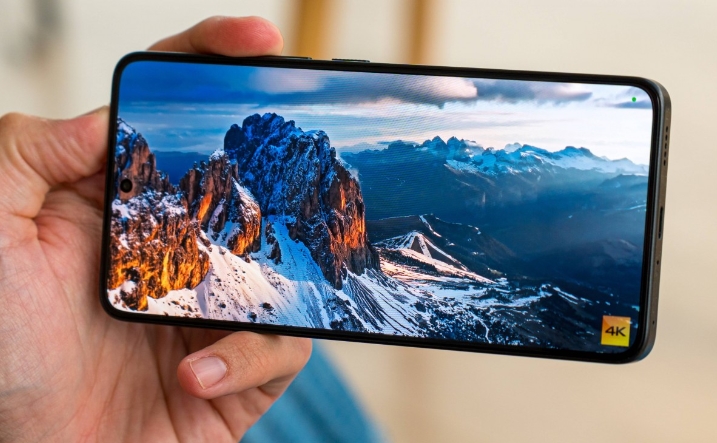
A notable enhancement from last year is the peak brightness, which now reaches up to 4,000 nits.
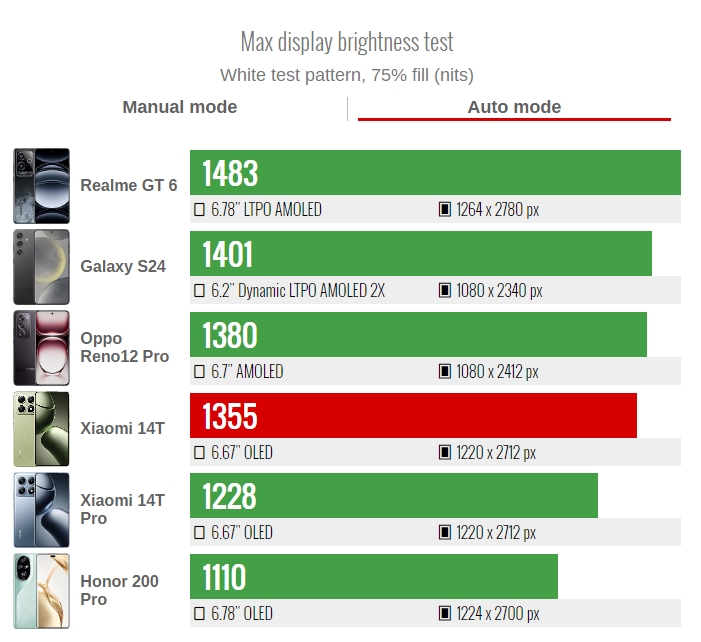
Xiaomi’s Sunlight mode is designed to boost maximum manual brightness when using the brightness slider, similar to Samsung’s Extra Brightness feature. With this mode turned off, we measured a maximum brightness of 573 nits, while activating Sunlight mode increased this to 846 nits. The highest automatic brightness recorded was 1355 nits, with a minimum brightness of just 2.1 nits.
Brightness Performance
- White Test Pattern (75% Fill)
- Manual Mode: 1355 nits
- Auto Mode: (Comparison with other models)
- Realme GT 6: 1483 nits
- Galaxy S24: 1401 nits
- Oppo Reno12 Pro: 1380 nits
- Xiaomi 14T Pro: 1228 nits
- Honor 200 Pro: 1110 nits
Refresh Rate
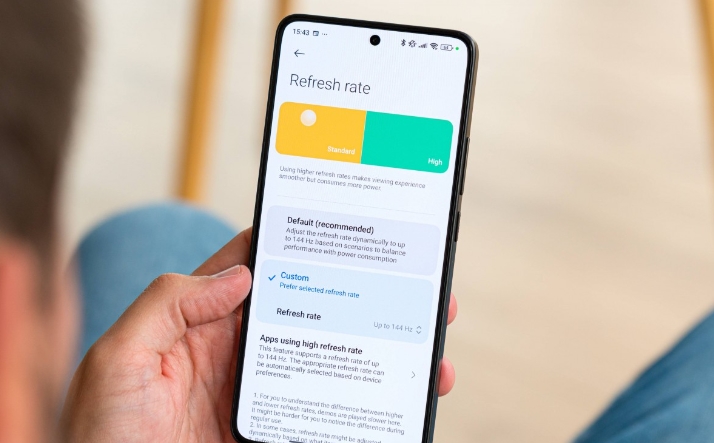
The Xiaomi 14T’s display settings include two modes: Automatic and Custom (60Hz or up to 144Hz). Both modes operate at 120Hz for most apps and the OS interface, switching to 60Hz for static content and streaming. The 144Hz setting is utilized in compatible apps such as games and benchmarks. The only time we observed a drop to 30Hz was during the Always-On Display, which represents the lowest refresh rate available.
Battery Life
The Xiaomi 14T is powered by the same 5,000 mAh battery as the 13T, but it features an upgraded Dimensity 8300 chipset that is expected to be more efficient. Despite this, the Active Use Score this year is lower than its predecessor’s.
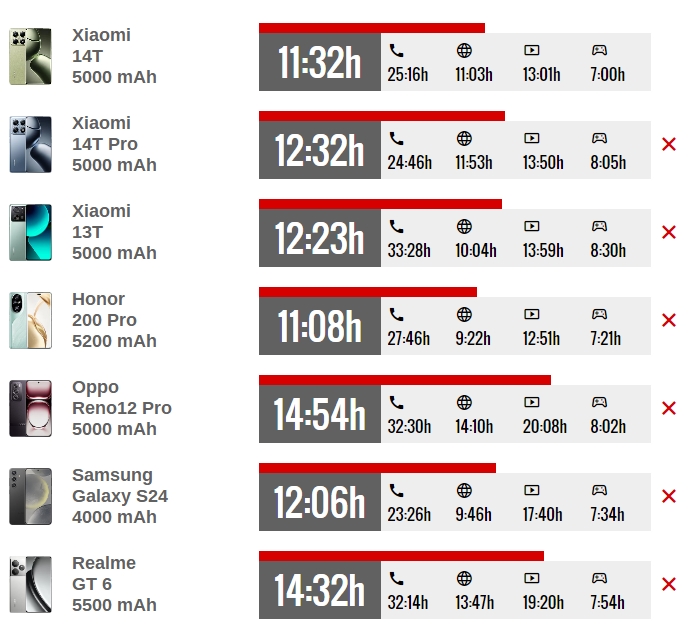
The Xiaomi 14T achieved an Active Use Score of 11 hours and 32 minutes, slightly below the previous model, largely due to its performance during the call test. Individually, the web browsing score showed a 10% improvement compared to last year, while video playback remained nearly the same. The most significant decrease was observed in the call segment.
Battery Performance Summary
- Xiaomi 14T (5000 mAh):
- Active Use Score: 11:32h
- Web Browsing: +10%
- Video Playback: Negligible decrease
- Comparison with Rivals:
- Xiaomi 14T Pro: 12:32h
- Xiaomi 13T: 12:23h
- Honor 200 Pro (5200 mAh): 11:08h
- Oppo Reno12 Pro (5000 mAh): 14:54h
- Samsung Galaxy S24 (4000 mAh): 12:06h
- Realme GT 6 (5500 mAh): 14:32h
In terms of battery life, the Xiaomi 14T does not compare favorably against many competitors in the same price range, except for other Xiaomi devices.
Charging Speed
The Xiaomi 14T supports fast charging up to 67W with the included charger and USB cable, as well as compatibility with some Power Delivery 3.0 chargers. It maintains the same charging capabilities as the 13T.
Charging from 0% to 100% takes approximately 49 minutes, which is competitive but not the fastest option available.
Charging Performance
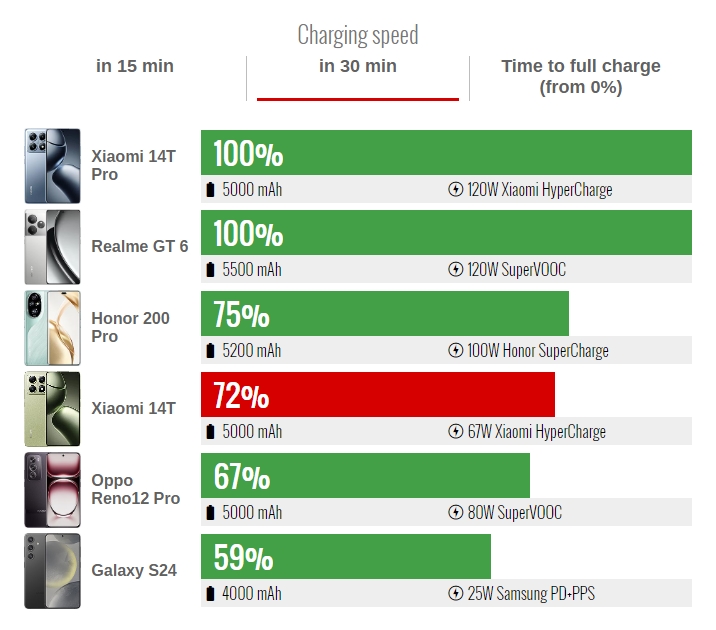
- Charging Times:
- 15 Minutes: 72%
- 30 Minutes: (compared to others)
- Xiaomi 14T Pro: 100% in 120W HyperCharge
- Realme GT 6: 100% in 120W SuperVOOC
- Honor 200 Pro: 75% in 100W SuperCharge
- Oppo Reno12 Pro: 67% in 80W SuperVOOC
- Galaxy S24: 59% in 25W Samsung PD+PPS
Speakers
The Xiaomi 14T features a typical hybrid stereo speaker system, consisting of two speakers located at the top and bottom, behind dedicated grilles. The top speaker also functions as an earpiece, which contributes to its front-facing audio output.
The sound balance is commendable, with the bottom speaker delivering louder and richer sound. In our tests, the speakers received a “Very Good” rating, offering quality audio with a well-defined high range and sufficient bass for the size, although vocals could be clearer.
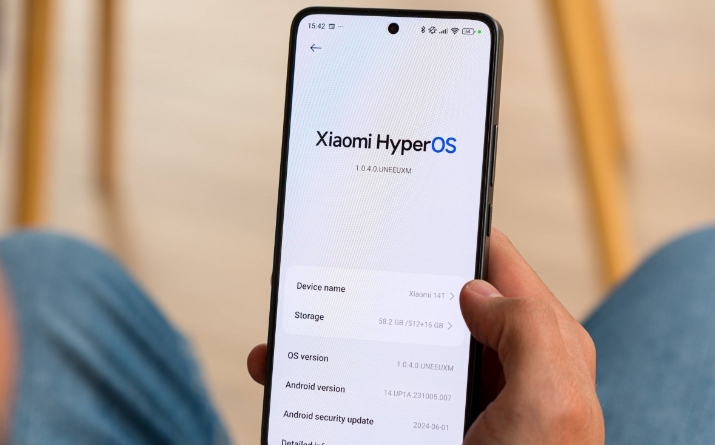
Software: Android 14 with HyperOS 1.04
The Xiaomi 14T operates on Android 14, enhanced by HyperOS 1.04. Users familiar with Xiaomi’s previous operating systems will find a comfortable interface, as HyperOS resembles the older MIUI, featuring subtle design updates like flatter elements and rounded edges.
Key Features:
- Major Updates: Xiaomi commits to 4 years of major OS updates and 5 years of security patches.
- User Interface: The control center has a new design, and multi-window functionality has been improved with more intuitive buttons. However, opting out of the Control Center is no longer available for devices launching with HyperOS.
- AI Capabilities: The Xiaomi 14T supports various AI features, including AI Image, AI Portraits, and AI Magic Erase Pro. Future updates will introduce AI Interpreter, AI Notes, AI Film, and AI Subtitles (currently in beta).
- Google Gemini: The device includes Google Gemini, allowing users to engage in complex conversations, seek suggestions based on photos (e.g., meal ideas from a fridge picture), and even generate images.
Performance and Benchmarks
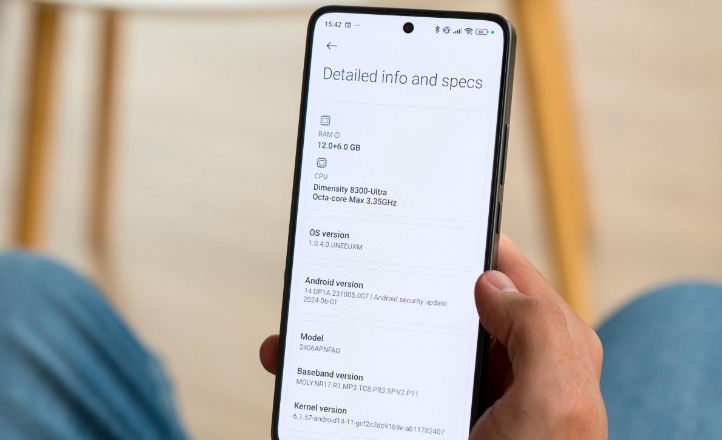
The Xiaomi 14T is powered by the MediaTek 8300 Ultra chipset, marking an upgrade from the 8200 Ultra in the 13T. It features an octa-core processor with:
- Cores:
- 1x 3.35 GHz Cortex-A715
- 3x 3.20 GHz Cortex-A715
- 4x 2.20 GHz Cortex-A510
- GPU: Mali-G615-MC6 (upgraded from Mali-G610-MC5)
- Memory & Storage: LPDDR5X RAM and UFS 4.0 storage, with a variant offering 12GB RAM and 512GB storage.
Benchmark Scores
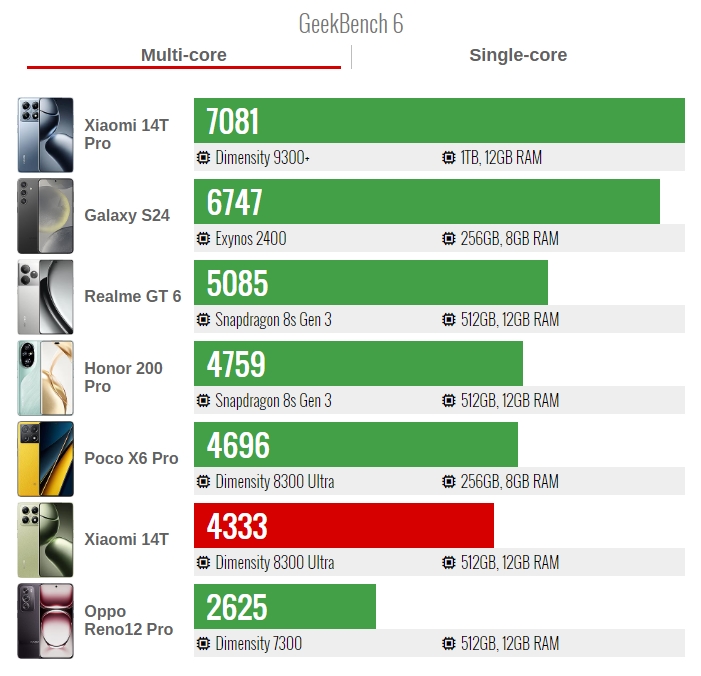
The Xiaomi 14T’s performance is competitive, drawing close to flagship models, especially when compared to the previous 13T.
- GeekBench 6:
- Multi-core: 4333
- Single-core: Not provided, but referenced scores suggest lower performance than the top contenders.
- AnTuTu 10:
- Score: 1,334,481
- 3DMark (Offscreen):
- Wild Life (1440p): 10,791
Stability and Thermal Performance
- The chipset exhibits good stability, with a CPU stability score of 66% and GPU stability at 69%.
- During stress tests, the device remained warm but did not overheat, showcasing efficient thermal management.
Overall Performance Insights
While the performance increase over the 13T isn’t drastic, the Xiaomi 14T impresses with its modern hardware and enhanced capabilities. For existing 13T users, the upgrade may not be compelling, but for newcomers, the 14T offers a significant boost in performance and features, especially in multitasking and AI functionalities.
In summary, the Xiaomi 14T presents a solid combination of updated software, a powerful chipset, and enhanced user experience that aligns well with modern smartphone expectations.
Xiaomi 14T Review: All About the Camera Performance
The Xiaomi 14T continues the legacy of its predecessor, the 13T, with slight hardware tweaks and enhancements. Notably, the dedicated 2x zoom camera now features a larger sensor, and the selfie camera has been upgraded to 32MP, offering a notable increase in pixel count.

Camera Specifications
- Main Camera:
- Sensor: 50MP Sony IMX 906
- Aperture: f/1.7
- Focal Length: 23mm
- Features: PDAF, OIS, 2160p@60fps
- Telephoto Camera (2x Zoom):
- Sensor: 50MP Samsung ISOCELL JN1
- Aperture: f/1.9
- Focal Length: 50mm
- Features: 2160p@60fps
- Ultra Wide Camera:
- Sensor: 13MP OmniVision OV13B
- Aperture: f/2.2
- Focal Length: 15mm
- Features: 2160p@30fps
- Selfie Camera:
- Sensor: 32MP Samsung KD1
- Aperture: f/2.0
- Focal Length: 25mm
- Features: 4K@30fps
Imaging Performance
Daylight Photos
The main camera on the Xiaomi 14T shows significant improvement over the 13T, delivering exceptional stills with great detail and dynamic range. The camera’s processing enhances contrast and color vibrancy, contributing to lively images. Shadows are slightly darkened but without loss of detail, which is ideal for high-contrast scenes.
- Portraits: Both regular and portrait modes yield stunning results. However, the dedicated 50MP mode suffers from some loss of detail when zoomed in.

Zoom Capabilities
The dedicated 2x zoom camera produces impressive results, showing sharp details and excellent highlight/shadow balance. Users often question the utility of dedicated zoom cameras; however, the 14T proves its worth with excellent clarity and noise control, even in challenging lighting conditions.
- 4x Crop Zoom: Surprisingly good quality, with clean images despite a softer texture compared to 2x zoom photos.
Ultrawide Camera
While ultrawide lenses often lag behind main and telephoto cameras, the 14T’s ultrawide shooter performs adequately, with decent color and detail. The distortion correction algorithm is particularly noteworthy, improving image quality.

Low-Light Performance
Main Camera
The Night mode excels in low-light conditions, producing solid images with impressive detail and minimal noise. The dynamic range captures the subtlety of highlights and shadows effectively, though there’s a slight warmth in color temperature.
Telephoto and Ultrawide Cameras
The 2x zoom camera produces good quality in low light, though 4x zoom samples may appear upscaled with limited detail. The ultrawide camera also fares reasonably well for low-light shots, maintaining acceptable quality despite inherent limitations.
Selfies
The 32MP selfies provide noticeable improvement in detail over previous models. However, the output can suffer in challenging lighting, showing muted colors and a lack of sharpness.
Video Recording
The Xiaomi 14T allows recording at 2160p at 60fps using the main camera, with the telephoto and ultrawide limited to 30fps. Videos exhibit sharpness, dynamic range, and lively colors, though some color temperature inaccuracies persist.
- Advanced Stabilization Modes: The camera offers Steady and Steady Pro modes for action-like stabilization, although they are limited to 1080p resolution.
Conclusion
Overall, the Xiaomi 14T camera system impresses with its improvements, particularly in the main and zoom functionalities. The collaboration with Leica adds a unique touch to the photo processing, providing options for users who prefer a more vibrant or authentic look. The camera system strikes a balance between high-quality stills and decent video performance, making the Xiaomi 14T a compelling choice for photography enthusiasts.
Xiaomi 14T Review: A Competitive Mid-Range Contender
Overview
The Xiaomi 14T is positioned in the competitive €600-700 price range, offering a solid combination of features, performance, and camera capabilities. It faces stiff competition from notable models like the Honor 200 Pro, Samsung Galaxy S24, Realme GT 6, and Oppo Reno12 Pro.
Key Comparisons
1. Honor 200 Pro
- Price: Just under €600.
- Strengths: Excellent all-around camera performance, particularly for selfies. Fast wireless charging and a faster chipset give it an edge in certain areas.
- Considerations: Brand loyalty and user interface preferences may influence the decision between the Honor 200 Pro and the 14T.
2. Samsung Galaxy S24
- Strengths: Flagship build quality, superior ultrawide camera, and promises of longer software support.
- Weaknesses: Smaller size, and while it excels in some camera aspects, the 14T generally offers better photo quality and faster charging.
3. Realme GT 6
- Strengths: Exceptional battery life and fast charging capabilities. Snappier chipset.
- Weaknesses: Lacks the camera prowess of the 14T, making it less of a complete package.
4. Oppo Reno12 Pro
- Strengths: Comparable camera capabilities, impressive 50MP selfie camera with autofocus, and good battery life.
- Weaknesses: The 14T offers a more reliable display, better ultrawide camera, and a more powerful chipset.
5. Poco X6 Pro
- Strengths: Offers similar display quality, chipset, and build at a significantly lower price.
- Weaknesses: Camera performance is not on par with the 14T, and it lacks premium features like eSIM support and IP68 certification.
Core Features of the Xiaomi 14T
- Display: Excellent OLED with 12-bit color depth, 144Hz refresh rate, and Dolby Vision support.
- Camera Performance: Strong capabilities in both stills and video, with a dedicated zoom camera that performs well.
- Charging: Competitive fast charging features, though the absence of a charger in the box is a drawback.
- Software Support: Comes with HyperOS and promises four years of major OS updates.
Verdict
The Xiaomi 14T stands out as a strong recommendation for those seeking a well-rounded mid-range device. It excels in display quality, camera performance, and overall functionality, though it could improve in battery life and selfie camera quality. The exclusion of a charger in the box is a notable downside, especially given its support for proprietary fast charging. As prices adjust over time, the 14T is likely to become an even more attractive option.
Pros:
- Attractive design with IP68 certification.
- High-quality OLED display.
- Excellent camera performance.
- Competitive charging speeds and chipset performance.
- Feature-rich HyperOS with extensive software support.
Cons:
- Selfie camera lacks quality.
- Battery life could be improved.
- No charger included in the box.
- Display may not consistently reach 144Hz in all applications.
Overall, the Xiaomi 14T represents a compelling choice for anyone looking for a feature-rich smartphone in the mid-range segment.