Here are some tips on traveling internationally with your pet

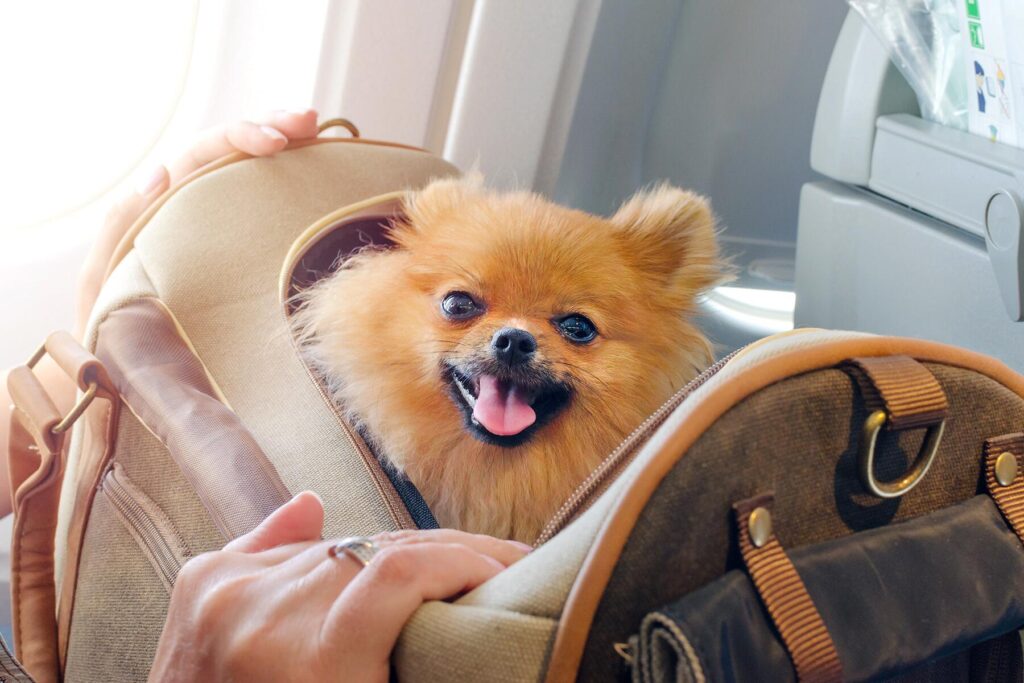
Our pets are integral members of our family, and when we plan extended vacations, we prefer not to leave them behind. Besides, there are financial considerations associated with pet care by others. Boarding costs vary, often based on pet weight, accommodation preferences like private rooms, provision of toys and treats, and whether daily walks are included for exercise.
If friends or family care for our pets, we must consider potential risks such as property damage—like chewing furniture or accidents—and grooming needs such as haircuts or nail trimming. There’s also concern about what happens if our pet falls ill, gets injured, or goes missing.
Traveling with our pets might sometimes seem like the easier choice. According to the U.S. Department of Transportation, over 2 million pets and animals fly annually within the U.S. Read on to discover what to think about before booking your flight.
Traveling Internationally with Your Pet
When flying internationally on a U.S. carrier, the Department of State advises checking the airline’s specific pet travel guidelines and associated fees in advance. You’ll need to decide if your pet will travel in-cabin, as excess baggage, or in cargo. It’s essential to review the airline’s policies directly as they can change.
Three Ways to Travel with Your Pet
When booking flights, there are three primary methods to transport your pet:
- Accompanied in-cabin or as excess baggage, typically for pets under 15 pounds including the carrier.
- As cargo, which tends to be more expensive and may not be offered by all airlines.
- Through a licensed commercial shipper, often required for larger pets in cargo during specific weather conditions.
Some airlines restrict cargo travel during extreme temperatures. For cargo travel, pets must comfortably stand, sit, and turn around within their crate.
Flying with a Service Animal
Service animals assisting individuals with disabilities can usually fly in-cabin under the Americans with Disabilities Act. Specific airline policies apply, and foreign governments may have additional regulations like mandatory quarantine.
Check International Animal Export Regulations
Review the USDA-APHIS International Animal Export Regulations and consult your veterinarian for required vaccinations, diagnostic tests, or health certificates. Each country has unique entry requirements, and airlines have their own pet transport policies.
Call Ahead
Before travel, call the airline directly to confirm current pet travel protocols. Ensure your pet is accustomed to their carrier and consider direct flights to minimize stress. Avoid traveling with pets in cargo during extreme weather and provide exercise before and after flights.
Emergency Preparedness
Traveling with pets carries risks, so ensure your pet is healthy and suitable for travel. Prepare copies of necessary documents and start the process early to meet all requirements.
Additional Considerations
Consult your veterinarian for guidance on necessary vaccinations and paperwork.